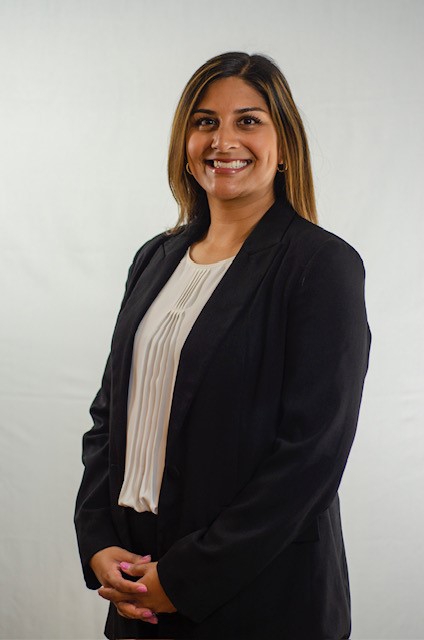
This post is part of "From Residency to Reality: The Business of Medicine," a monthly blog series by the ACOFP New Physicians Committee.
The transition from residency to independent practice is often described as a milestone, but living through it feels more like stepping off a familiar shoreline into open water. After years of supervision, structured rotations, and the comfort of knowing there was always someone down the hall to double-check your decisions, suddenly the pager is yours alone. I remember feeling both proud and unsettled—gratified that I had finally reached the role I’d worked so hard for, yet humbled by the weight of responsibility that came with it.
What surprised me most during that first year was how strongly imposter syndrome resurfaced. Despite the long hours, steep learning curve, and countless patient encounters in residency, I often found myself second-guessing decisions that I knew, intellectually, I was capable of making. When there is no upper-level resident or attending to present to, you must learn to trust your own clinical judgment in a new and profound way. That trust doesn’t develop overnight; it grows slowly, patient by patient, experience by experience.
At the same time, I was learning to navigate an entirely different set of challenges—ones that had little to do with diagnosing or treating illness. Interviewing, evaluating potential employers, contract negotiation, understanding productivity expectations, and even recognizing the culture of a clinic were all skills I quickly realized I had never been taught. Residency prepares you to care for patients; it does not always prepare you to choose the environment in which you’ll provide that care. Looking back, I see how critical those early decisions were in shaping not only my professional development but also my well-being.
If I could offer one piece of advice to new graduates, it would be this: choose a job where you will not be professionally isolated. In family medicine especially—where each day brings a wide spectrum of ages, conditions, and complexities—having accessible, supportive colleagues is invaluable. My first year taught me how essential it is to work in a practice where questions are welcomed, where colleagues check in on one another, and where you can knock on a door to ask, “Can I run something by you?” without feeling like an inconvenience.
This kind of environment does not diminish your autonomy. In fact, it enhances it. You stand on your own as a physician, but you stand among others who understand the challenges and uncertainties of early practice. Their experience becomes part of your foundation. Their willingness to teach, discuss difficult cases, and share both their successes and mistakes accelerates your growth in ways no textbook or training module ever could.
Over time, I realized that collaboration was not just a luxury—it was a lifeline. It steadied me on days when I felt overwhelmed, reminded me that no physician practices entirely alone, and helped transform my self-doubt into a deeper, steadier confidence. The community I found in my first job shaped me just as much as any clinical skill I brought from residency.
Looking back now, I see that the first year out of residency is not simply about proving yourself capable. It is about learning how to practice with humility, building your professional support network, and giving yourself permission to grow into the role you’ve earned. If I had known then what I know now, I would have worried less about being perfect and focused more on finding the right people to grow with.
Are you a new physician? Join ACOFP as a new-physician-in-practice for discounts on your membership and convention registration, and find resources just for you.