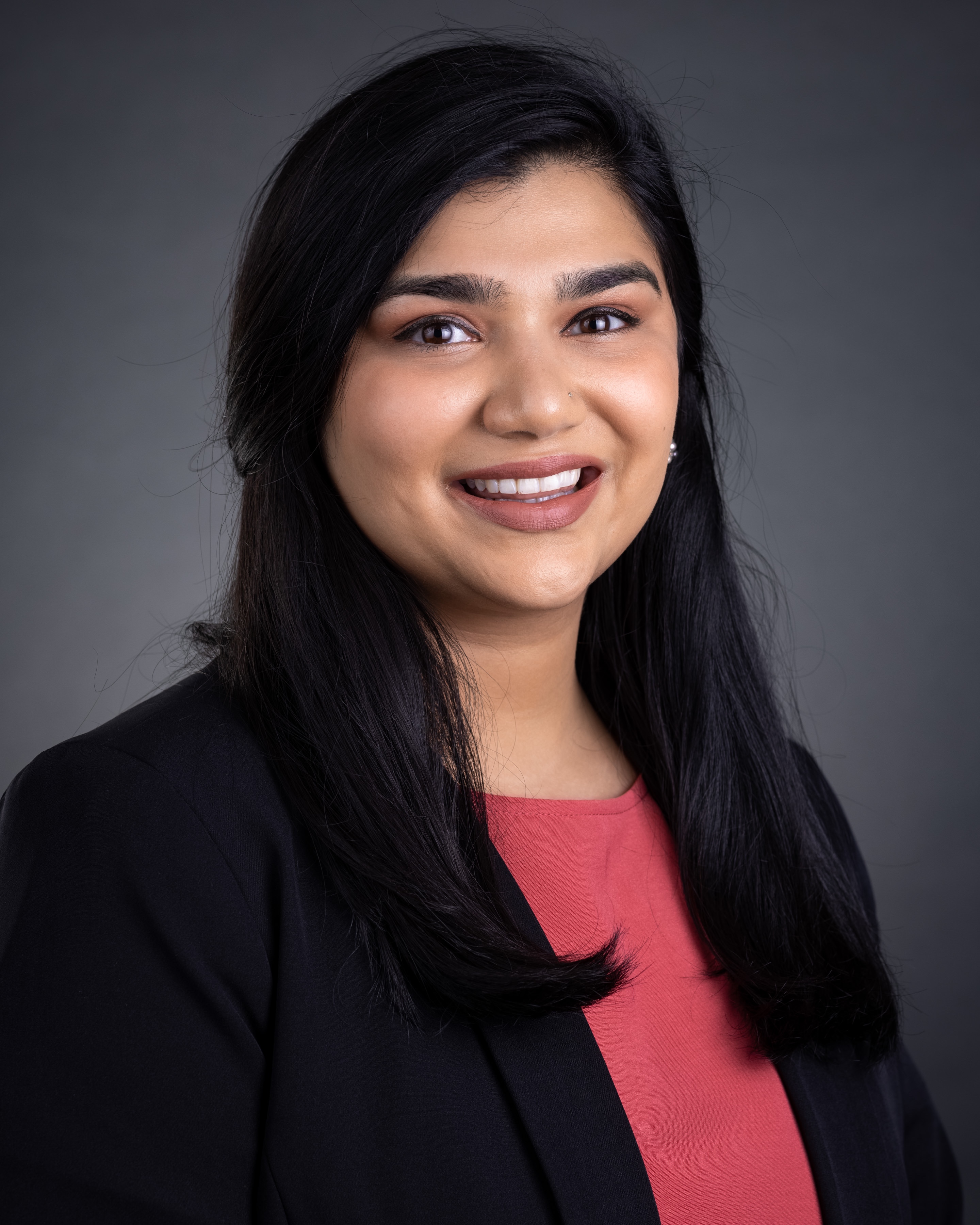
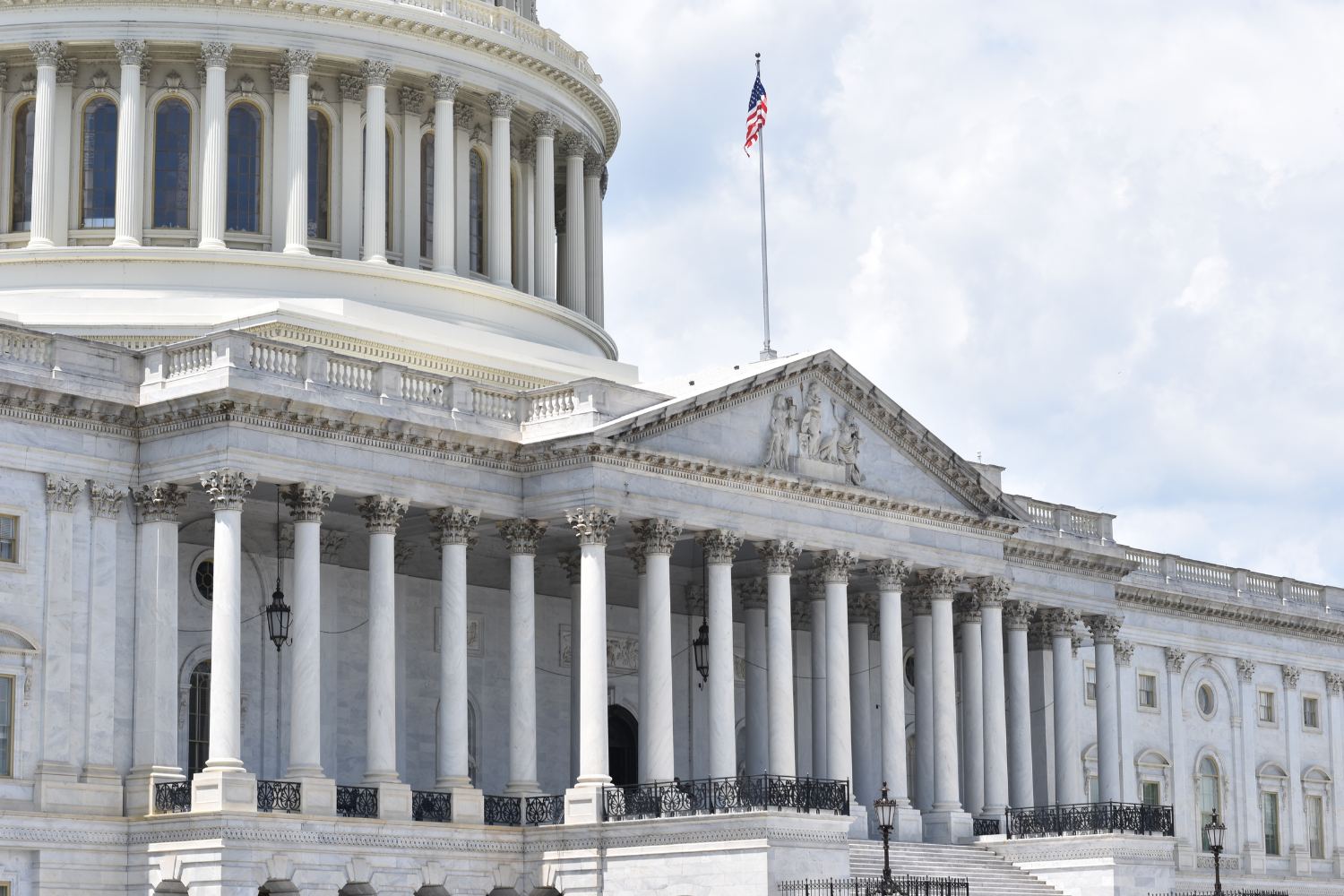
I still remember the feeling of stepping into Washington, DC, surrounded by a sea of white coats. It was my first DO Day on the Hill, and as a recipient of the American Osteopathic Association Bureau of Emerging Leaders Scholarship, I carried both excitement and a quiet sense of responsibility.
If I’m being honest, I was nervous.
Advocacy had always felt important to me, but also somewhat distant—something I admired rather than something I actively did. That changed the moment I arrived. The structured bill overview handouts gave me a foundation, but it was the people who transformed the experience. I found myself bonding quickly with fellow osteopathic medical students and physicians, each of us bringing unique perspectives shaped by our training and our patients.
There was something powerful about being surrounded by individuals who shared not just a profession, but a philosophy.
Visiting the AOA headquarters made it all feel real. Meeting members of the Board of Trustees, hearing their journeys, and realizing that they too once stood where I was grounded me. Advocacy was no longer abstract; it was accessible.
As we walked between meetings, our white coats became more than just symbols of medicine. They were statements. Walking through the streets of DC, into legislative offices, I felt a heightened sense of purpose. I’ve always believed the white coat carries weight—but in that setting, it felt amplified. We weren’t just clinicians; we were storytellers, educators, and representatives of our patients.
One moment stands out vividly. A Senate committee researcher approached our group and asked to see our research packet. It was unexpected, but also affirming. They wanted to hear from us—to understand what we see every day in our clinics, in our communities. That interaction reinforced something I’ll carry forward: our voices matter, and our experiences hold power in shaping policy.
As someone deeply passionate about obesity medicine, lifestyle medicine, health equity, and serving underserved communities, I often think about the gap between clinical care and systemic change. DO Day helped bridge that gap for me. It showed me that advocacy is simply an extension of patient care—just on a broader scale.
My journey through the AOA Leadership Academy, the ACOFP Future Leaders program, and my involvement in committees focused on new physicians and women in leadership has already shaped how I see my role in medicine. But this experience solidified it.
I want to be an advocate.
Not just in moments like DO Day, but consistently—through teaching, through academic medicine, and through community engagement. I want to bring the voices of my patients into rooms where decisions are made.
Because at the end of the day, advocacy isn’t about politics. It’s about people.
And this was the first time I truly felt like I belonged in that space.